Apple Watch Series 10 Review & 2026 Buyer’s Guide: Worth It?
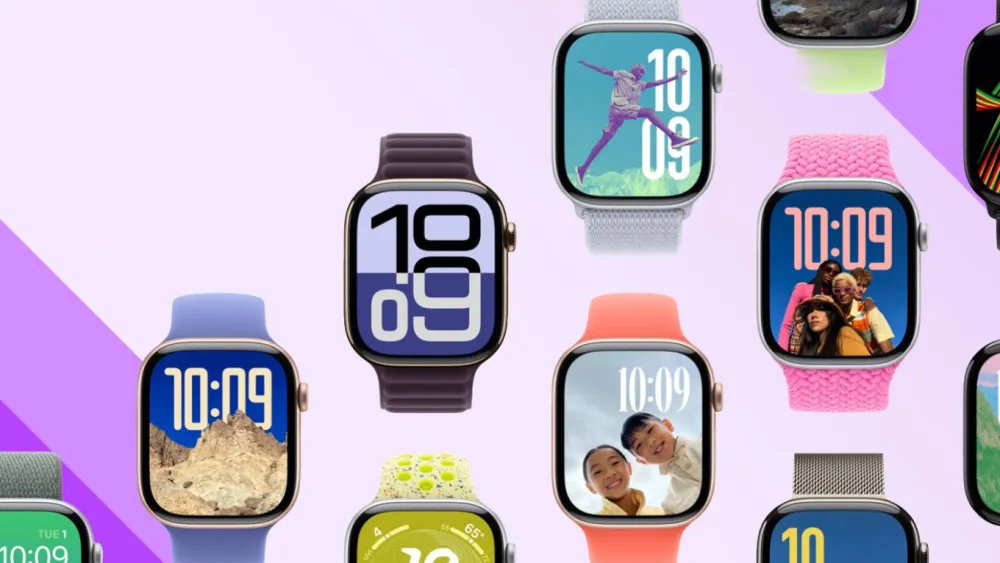
Apple Watch Series 10 launched in September 2024 as a thinner, bigger-screened, faster-charging redesign — and almost two years later, it’s arguably a smarter purchase now than it was on day one. That’s not a typo. With the Apple Watch Series 11 sitting on shelves at full price, the Series 10 has quietly become the value pick of Apple’s entire wearable lineup, often selling for hundreds less than it did at launch.
If you’re trying to figure out whether the Apple Watch Series 10 still makes sense to buy in 2026, whether it’s worth upgrading from an older model, or how it actually stacks up against the newer Series 11, this guide covers all of it — including the details most spec sheets skip entirely.
What Actually Changed With the Series 10
Apple built the Series 10 to mark ten years since the original Apple Watch was announced, and the anniversary framing wasn’t just marketing fluff. This was the first genuine redesign of the case in years. The watch got noticeably thinner and, in the 46mm size, gained a larger 1.7-inch display without making the watch feel bulkier on the wrist. Apple achieved that mostly through a new S10 chip that’s more power-efficient than its predecessor, freeing up internal space that used to go toward cooling and battery buffering.
What most coverage glossed over at launch is how much the case material lineup shifted. Apple dropped stainless steel entirely for the higher-tier model and replaced it with titanium, offered in Natural, Gold, and Slate finishes. The aluminum version kept things simpler with Jet Black, Rose Gold, and Silver options, plus seasonal colors like Midnight and Starlight showing up depending on the release wave. Titanium isn’t just a premium flex here — it’s genuinely lighter than the steel it replaced, which matters if you wear the watch through workouts or sleep tracking every night.
The Health Feature Nobody Talks About Enough
Sleep apnea notifications are the headline health addition on the Series 10, and they deserve more attention than they usually get. apple watch series 10 The watch uses subtle wrist-movement data collected overnight to flag signs consistent with moderate to severe sleep apnea, then prompts the wearer to log symptoms and consider talking to a doctor. It’s not a diagnostic tool — Apple is careful never to call it that — but as an early-warning system for a condition millions of people live with undiagnosed, it’s one of the more genuinely useful things Apple has shipped on any Watch model.
Beyond that, the sensor stack is the same well-rounded set found across recent Apple Watch generations: ECG for heart rhythm checks, a blood oxygen sensor, skin temperature sensing for cycle tracking, high and low heart rate alerts, fall detection, and crash detection. None of these are unique to the Series 10 anymore, but having all of them bundled into a watch that now regularly sells for under $300 is where the real value shows up. Budget models like the Apple Watch SE still skip ECG and blood oxygen sensing entirely, so the gap between “cheap Apple Watch” and “full health watch” is wider than people expect. techware
Battery Life and Charging: The Practical Reality
Apple rates the Series 10 for about 18 hours of typical use and up to 36 hours in Low Power Mode, and in day-to-day use that tracks reasonably well — assuming you’re not running GPS workouts back to back or leaving the always-on display cranked to max brightness constantly. This is still a watch you charge nightly, not a multi-day wearable, and that single-day battery ceiling remains the main reason skeptics haven’t fully converted to the Apple Watch ecosystem.
Where the Series 10 does pull ahead of older models is charging speed. Thanks to the new internals, it charges noticeably faster than the Series 9 or Series 8, which matters more than people assume: a quick 15-minute top-up in the morning while you shower can realistically get you through half a day, which softens the single-day battery limitation in practice even if it doesn’t eliminate it.
Series 10 vs. Series 11: Is the Upgrade Actually Worth It
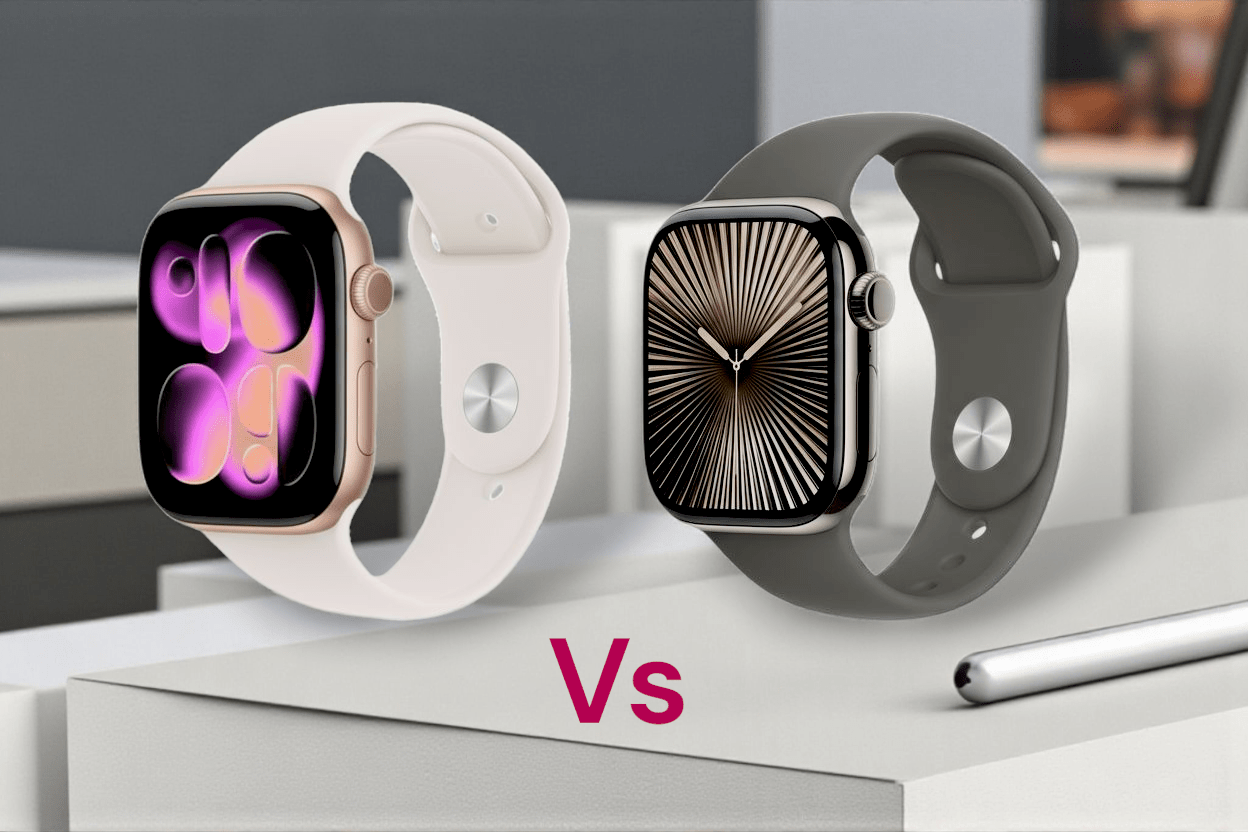
This is the question driving most searches right now, and the honest answer is: for most people, no. Apple Watch Series 11 launched in September 2025 alongside the Watch Ultra 3 and a new Watch SE, and it runs on the same S10 chip as the Series 10. The most visible change is a display bump — the 46mm Series 11 case gets a 2.0-inch panel versus the Series 10’s 1.7-inch — along with a new blood pressure trend feature that flags hypertension patterns over time rather than giving a hard reading.
That’s genuinely useful if hypertension monitoring matters to you specifically. For everyone else, the real-world experience between the two watches is close enough that paying full Series 11 price rarely makes sense when a Series 10 is sitting right next to it at a steep discount. Reviewers who’ve used both back to back consistently describe the differences as minor rather than transformative, which is unusual for Apple — normally each Watch generation feels like a clearer step up than this one does.
Myths and Misconceptions Worth Clearing Up
There’s a persistent idea floating around that the Series 10 was a “skip year” or a disappointing upgrade cycle. That’s not quite fair. Compared to the Series 9, the Series 10 changed the case thickness, display size, charging speed, and case materials all at once — that’s a bigger physical redesign than Apple typically does in a single generation. The confusion mostly comes from comparing it to the Series 11 instead, where the gap really is smaller.
Another common claim worth correcting: people assume the Series 10’s larger display means shorter battery life compared to older models. In practice, the more efficient S10 chip offsets the bigger screen well enough that battery estimates stayed roughly flat generation over generation. And no, the sleep apnea feature isn’t a medical diagnosis tool, despite how it sometimes gets described online — it’s a notification system meant to prompt a conversation with a doctor, nothing more.
What’s New in 2026
The most relevant 2026 update isn’t hardware — it’s software and pricing. Series 10 units now run the current watchOS release, which added a Sleep Score feature that summarizes nightly sleep quality into a single number, plus passive hypertension notifications that were originally exclusive to newer hardware but got extended to the Series 10 through software. That’s a meaningful bonus for anyone who bought in 2024 and assumed features would stay locked to newer models.
On pricing, this is where the Series 10 story gets genuinely interesting for 2026 shoppers. Since the Series 11 launched, retailers have discounted the Series 10 aggressively — 46mm GPS models have dropped as low as $229 against an original $429 list price, and 42mm variants have hit similarly steep markdowns during sales events. If you’re shopping on value rather than chasing the newest badge, right now is arguably the best window there’s been to buy one.
Frequently Asked Questions
Is the Apple Watch Series 10 still worth buying in 2026? Yes, especially at discounted prices. It has nearly the same core experience as the Series 11 for significantly less money, and it still receives current watchOS updates.
What’s the main difference between Series 10 and Series 11? The Series 11’s 46mm case has a larger 2.0-inch display and adds hypertension trend notifications. Both run the same S10 chip, so day-to-day performance is very similar.
Does the Apple Watch Series 10 detect sleep apnea? It can flag signs consistent with moderate to severe sleep apnea based on overnight wrist movement and prompt you to consult a doctor. It is not a diagnostic device.
How long does the battery actually last? Roughly a full day of typical use, around 18 hours, with up to 36 hours available in Low Power Mode. It still needs nightly charging for most users.
Is titanium worth paying extra for over aluminum? Titanium is lighter and more scratch-resistant, which matters if you wear the watch constantly, but aluminum performs identically in terms of features and health sensors — the choice comes down to durability and finish preference, not capability.
Can the Apple Watch Series 10 work without an iPhone? Not for setup — it requires an iPhone to activate and pair initially, and most core features depend on that connection, though cellular models can make calls and send messages independently once set up.
The Bottom Line
The Apple Watch Series 10 didn’t reinvent the wearable, but it delivered the biggest physical redesign the Apple Watch had seen in years, added a health feature that could genuinely help people who don’t know they have a problem, and quietly got better through software updates it didn’t need to receive. Buying one in 2026 isn’t a compromise — for most people, it’s the smarter version of the same decision Series 11 buyers are making at a much higher price.